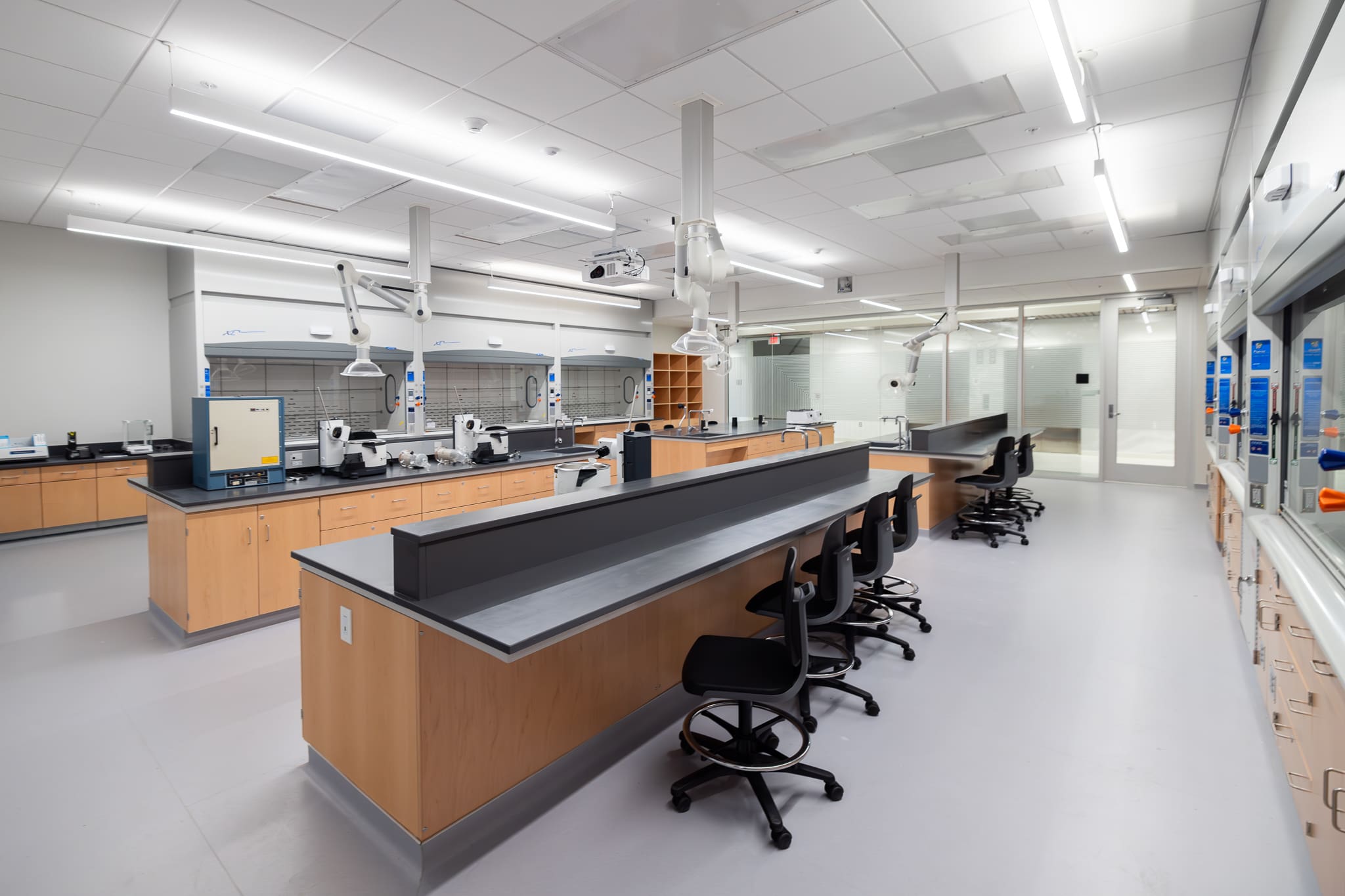
Modern laboratories are often designed for equipment and safety. However, a growing body of research shows that purely "sterile" spaces can create a biological mismatch for the people using them.
To improve learning and research, we must design for the human nervous system.
1. Reducing Physiological Stress
The human nervous system is sensitive to its surroundings. In many modern facilities, the use of synthetic materials can trigger a subtle and persistent stress response.
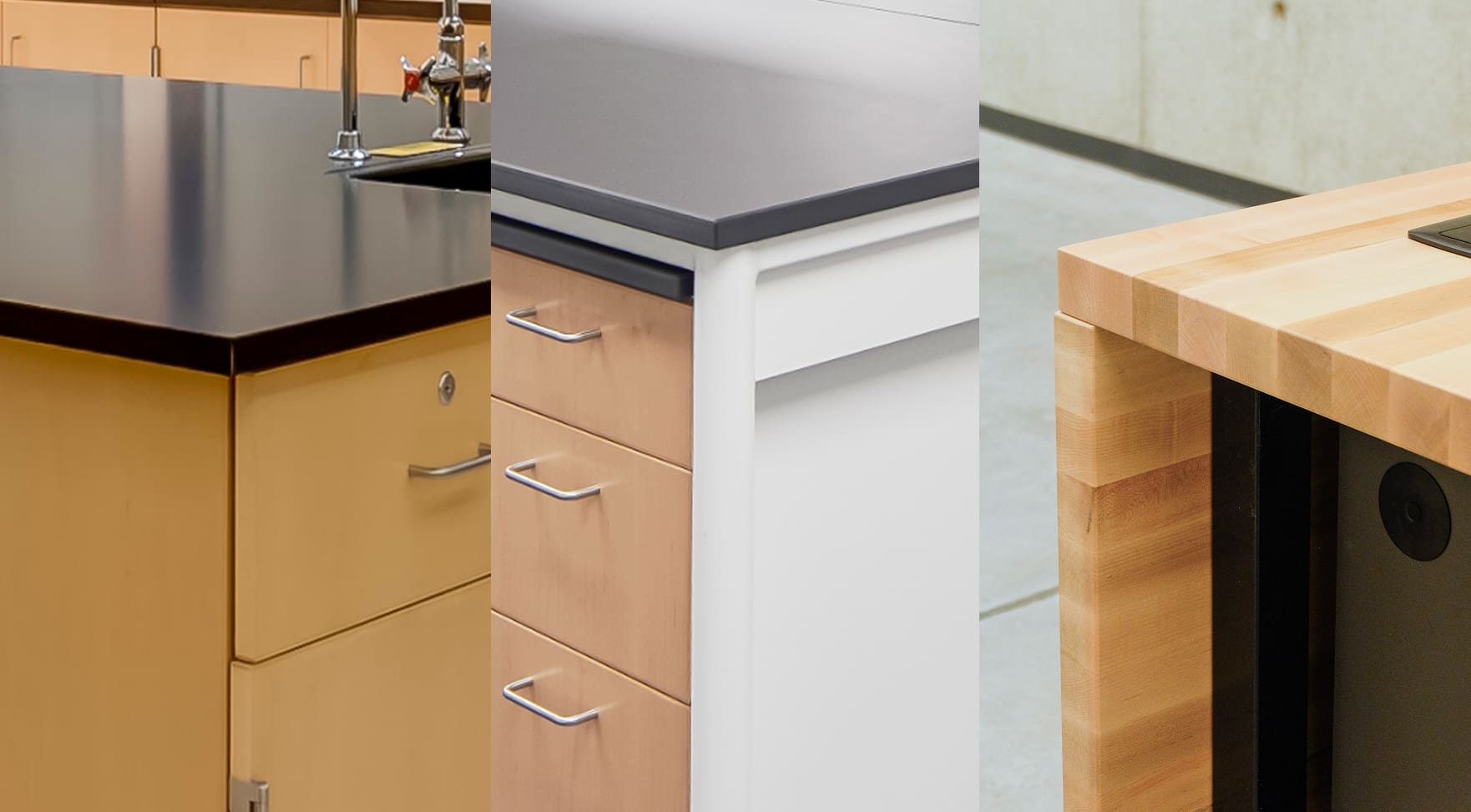
Research in environmental psychology has monitored how people react to different settings. Data shows that in rooms with natural wood, occupants have lower heart rates and blood pressure.
By using organic textures, we do more than improve the look of a room. We help researchers stay calm. This is essential for deep analytical work.
Getty Images
2. Preventing Mental Fatigue
Research requires intense Directed Attention. This is the focus needed for logic and complex tasks. Because this focus is a finite resource, it eventually leads to "Directed Attention Fatigue." This results in slower thinking and more mistakes.
Attention Restoration Theory (ART) suggests that natural elements provide "soft fascination." This is a type of effortless sensory input that let the brain's focus mechanisms recharge. Common examples include the movement of light or the patterns in wood grain.
Without these natural "reset points," mental fatigue sets in faster. This directly impacts the quality of the work.
3. The Geometry of the Eye
The human eye evolved over 200,000 years to process fractals. These are repeating patterns found in nature, such as snowflakes or timber grain.
Modern buildings often rely on flat surfaces and right angles. These patterns actually require more "computing power" for the brain to process. In contrast, natural patterns are processed with much less effort. By using wood and natural geometry, we free up cognitive energy for the actual research.
4. Air Quality and Brain Function
Biophilia also includes the air we breathe. Synthetic materials in high-tech facilities can lead to higher CO2 levels and chemical off-gassing.
A study from the Harvard T.H. Chan School of Public Health found a major link between air quality and performance. In "Green+" environments with low chemicals and high ventilation, cognitive scores were 61% higher than in standard buildings. Natural materials help lower the chemical load of a room, leading to better mental clarity.
5. Designing for the Person
The goal of any research facility is to create and share knowledge. If the physical space causes stress or fatigue, the building is working against the people inside.
Biophilic design is a shift in thinking. It moves from building for the equipment to building for the occupant. By using the facts of human biology, we create an environment where the mind is supported to do its best work.