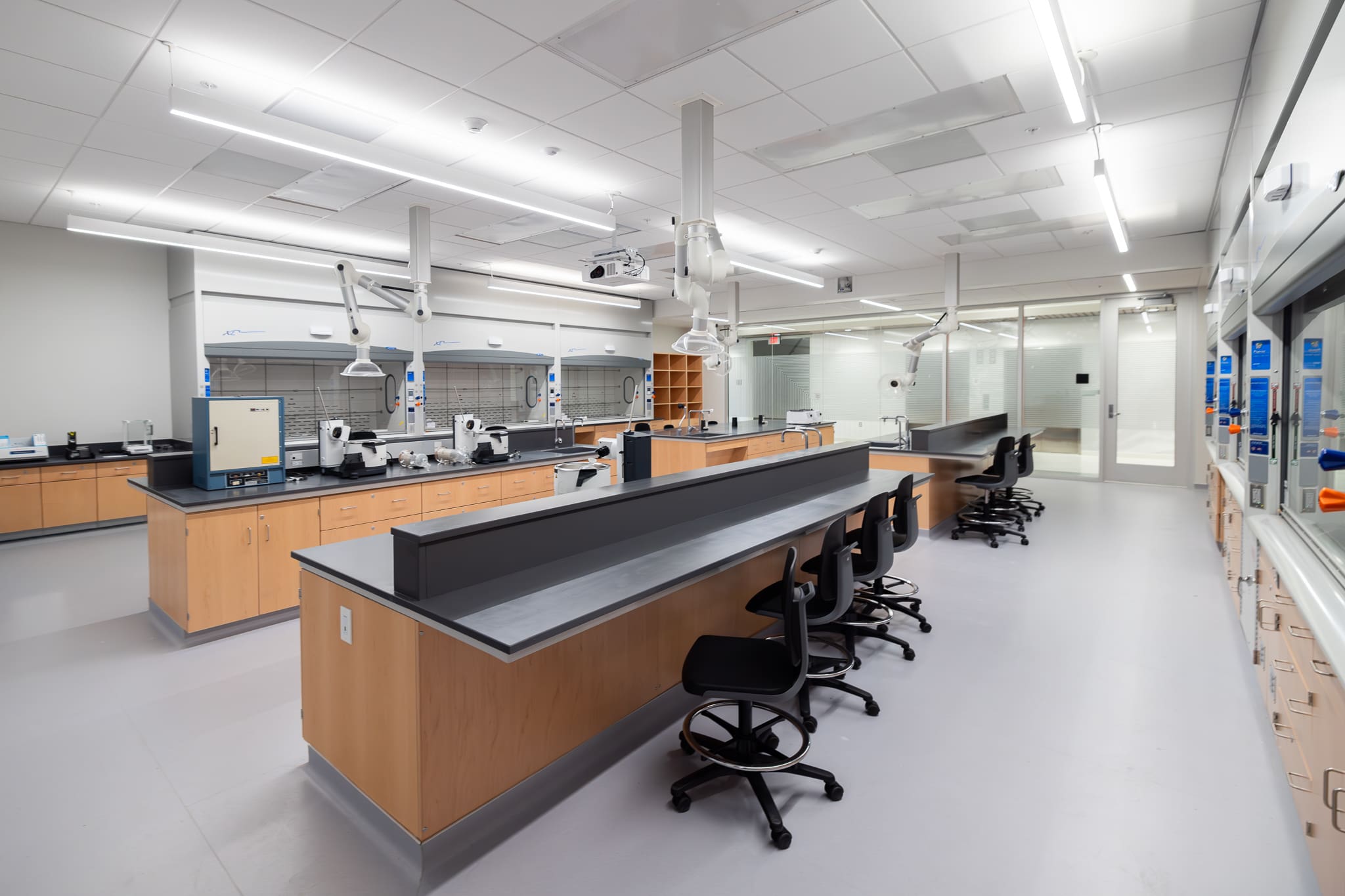
For decades, laboratory design was dictated by a singular focus: the experiment. The environment was built to be chemically resistant, easy to clean, and strictly functional. However, as we move through 2026, a new variable has entered the equation—the scientist.
Biophilic design—the integration of natural elements into the built environment—has transitioned from an office architectural trend into a fundamental requirement for high-performance research facilities. This shift isn't about "decorating" a lab; it is about optimizing the human cognitive biological system to match the precision of the instruments being used.
The Science of "Warm-Tech": Balancing Clinical and Organic
The modern lab is no longer a choice between "sterile" and "natural." The most successful facilities today utilize a "Warm-Tech" philosophy. This approach recognizes that while high-grade steel and phenolic resins are non-negotiable for safety and durability, they can be complemented by organic textures to prevent "sensory deprivation."
1. Visual Complexity and Stress Reduction
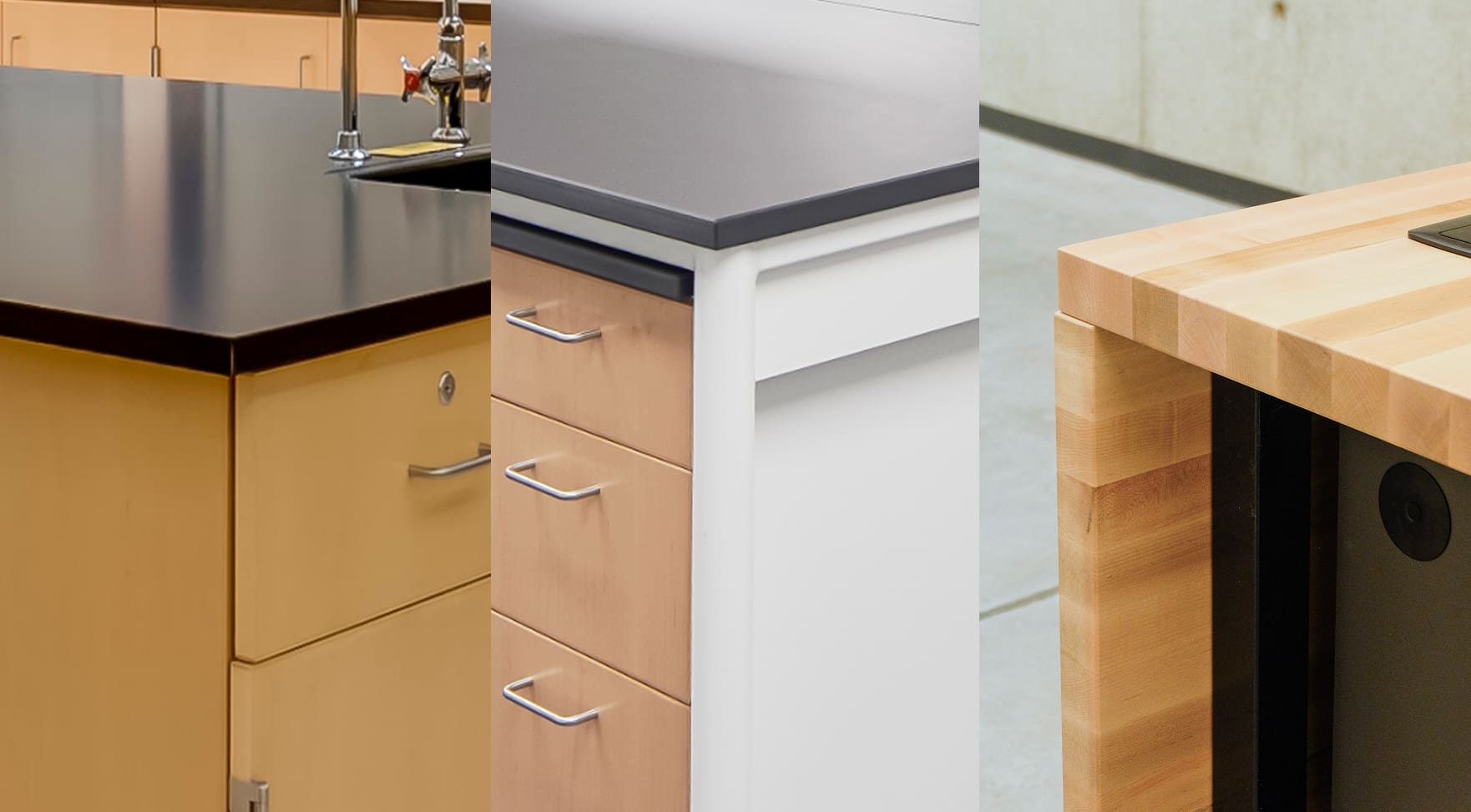
In a high-pressure research environment, "Directed Attention Fatigue" is a documented risk. Monotonous, high-glare surfaces can accelerate mental exhaustion. By introducing casework with natural wood veneers or stone-inspired patterns, we provide Non-Rhythmical Sensory Stimuli. These subtle variations in grain and texture allow the eye to rest and the brain to reset, leading to sustained focus over long shifts.
2. The Material Ecosystem
The 2026 trend is defined by Material Synergy. Expert designers are now layering materials based on their "touchpoints":
- Primary Work Zones: Utilizing the cold, impervious surfaces of stainless steel or epoxy for maximum chemical resistance.
- Vertical Planes: Utilizing wood-core or wood-faced casework for the storage and perimeter areas to soften the acoustic profile and provide visual warmth.
- Intermediate Zones: Using bio-based composites that offer the durability of traditional plastics but with the matte, earthy feel of natural materials.
| Feature | Biophilic Application | Technical Benefit |
|---|---|---|
| Acoustics | Wood-based casework substrates | Improved sound dampening in high-decibel equipment rooms. |
| Circadian Rhythm | Reflective organic finishes | Better distribution of natural light, reducing reliance on harsh overhead LEDs. |
| Ergonomics | Softened edges and organic forms | Reduced physical strain and a more "intuitive" movement through the workflow. |
Conclusion: A Holistic Future
The labs of 2026 are proving that clinical excellence and natural beauty are not mutually exclusive. By treating casework as a bridge between the precision of science and the needs of human biology, we are creating spaces that don't just house research—they inspire it.
The "sterile box" hasn't disappeared; it has evolved into a living, breathing ecosystem.