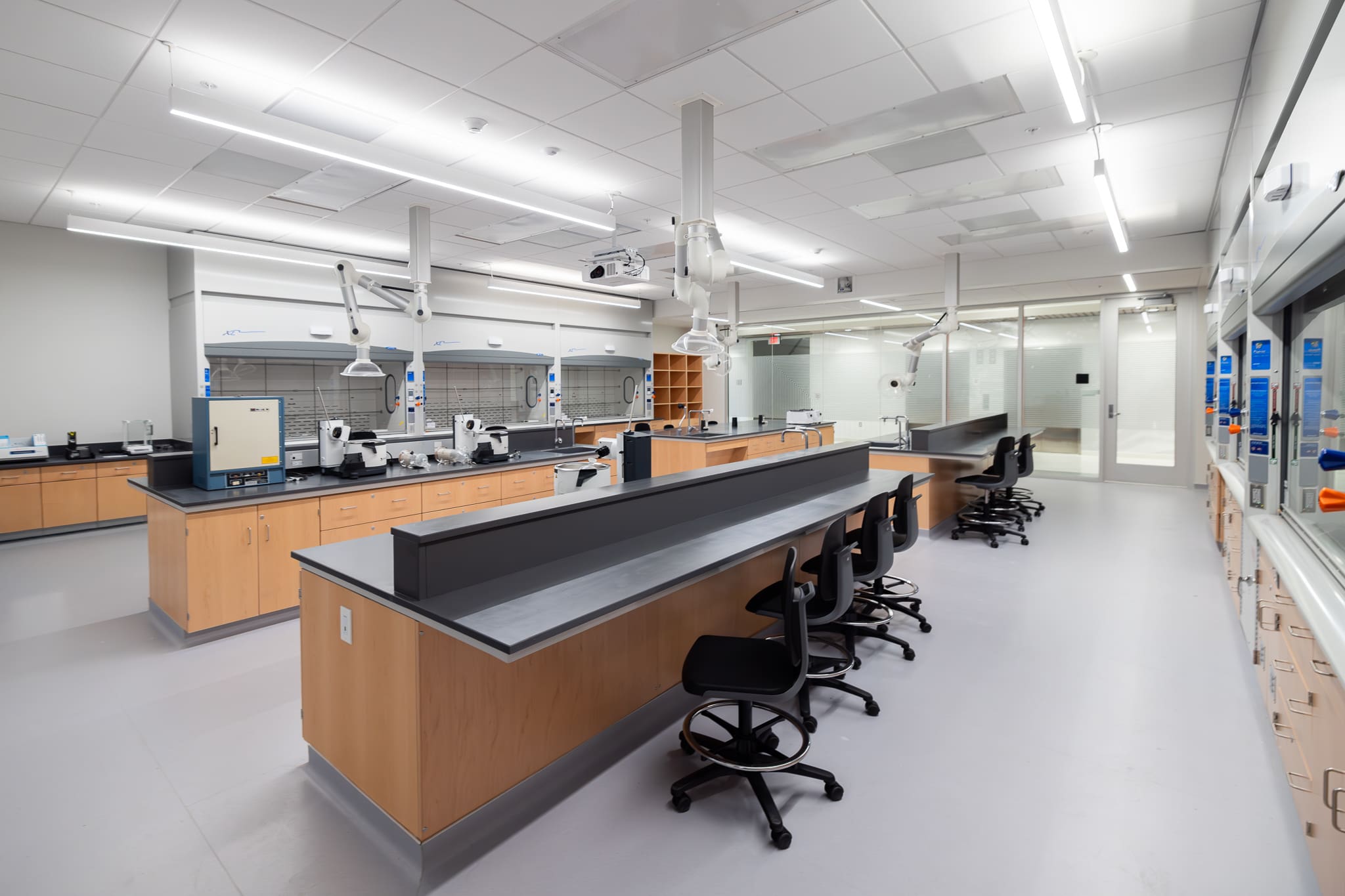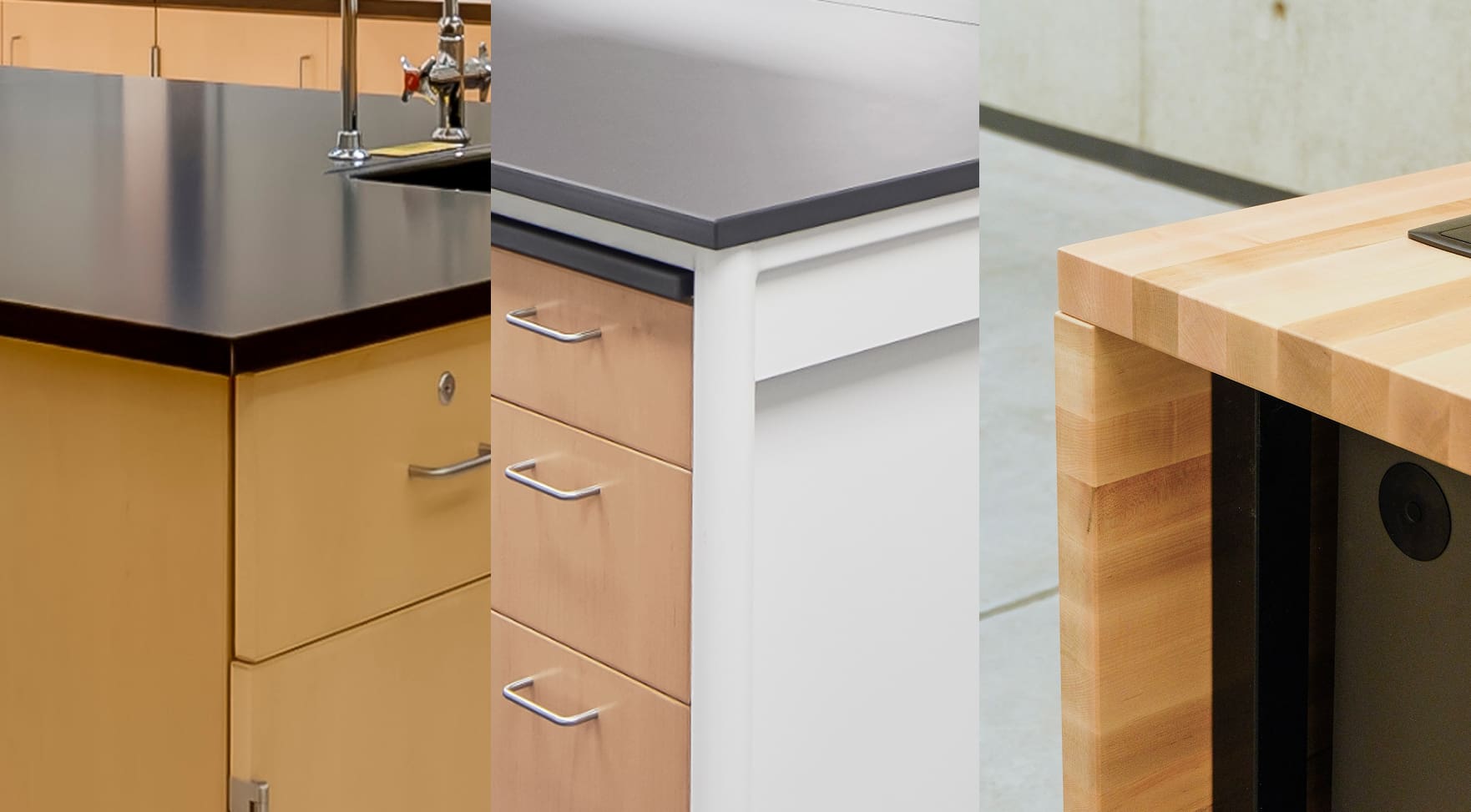
When designing or upgrading a modern research facility, laboratory planners, architects, and facility managers face a continuous balancing act: reconciling initial capital expenditure with long-term performance, durability, and aesthetic appeal.
Laboratory environments put immense stress on interior infrastructure. Daily operational demands, heavy analytical equipment, aggressive cleaning protocols, chemical exposure, and evolving research workflows mean that low-grade furniture quickly degrades. While upfront purchase price is a necessary metric during procurement, focusing solely on initial cost often leads to premature failure and costly facility overhauls.
To protect your capital investment, it is critical to evaluate construction quality, material performance, structural integrity and total service life.
Here is why premium wood laboratory casework offers the ideal combination of long-term durability, architectural flexibility and sustainable lifecycle value for high-demand research environments.
1. Built for Demanding Laboratory Environments
A laboratory is a working technical environment. Casework must maintain structural stability and seamless functionality under constant physical and chemical stress.
At CIF Lab Solutions, our premium wood casework is engineered using carefully selected materials, precision joinery, and specialized factory-applied finishes. Key performance considerations include:
- Structural Integrity: Engineered cabinet construction and joinery provide exceptional stability and weight-bearing capacity for heavy benchtop apparatus.
- Finish Performance: Factory-applied finish systems are rigorously evaluated for chemical resistance, moisture protection, and resilience against aggressive cleaning agents.
- Component Durability: Heavy-duty hinges, full-extension drawer slides, and robust door hardware are selected to support smooth operation through thousands of daily uses.
- Material Selection: A wide variety of wood species, veneer configurations, and construction options allow architectural teams to balance stringent performance criteria with warm, elevated design aesthetics.
2. Performance Verified Through SEFA 8 Testing
Visual appeal alone is not enough to guarantee success in a technical facility. Structural performance and chemical resistance must be verified through objective testing protocols before installation. CIF’s wood laboratory casework is manufactured to meet or exceed SEFA 8 (Scientific Equipment and Furniture Association) performance standards. This comprehensive testing suite evaluates:
- Cabinet Load Capacities: Ensuring heavy equipment will not warp or compromise cabinet structures.
- Hardware Cycle Life: Verifying that drawers and doors withstand continuous daily operation without failure or alignment loss.
- Chemical Resistance: Subjecting finish systems to volatile reagents, solvents, and cleaning compounds. By adhering to established SEFA 8 protocols, laboratory planners can make specification decisions based on verifiable performance data rather than cosmetic appearance alone.
3. Maximizing Long-Term Value Through Quality Construction
The true lifecycle value of casework begins on the factory floor. Premium materials, durable hardware and precision engineering work together to extend a product's useful service life by decades.
Component Replacement vs. Complete Overhauls
Unlike metal or lower-grade laminate options where damage often requires tearing out entire cabinet sections, premium wood casework supports modular component replacement. If a specific door, drawer front, hinge, or slide experiences localized wear or physical damage over time, individual components can easily be replaced. This approach allows facility managers to address routine
maintenance while keeping core structural frames completely intact—eliminating the severe downtime, mess and budget impact of full facility disruptions.
Key Takeaway: Prioritizing quality original construction protects your capital investment by preventing early degradation and avoiding expensive, premature facility overhauls.
4. Sustainable Design & Material Longevity
Sustainability in building design extends far beyond the day of installation. Long product service life,
responsible forestry, and healthy indoor environments are fundamental to environmentally conscious
architecture.
Wood laboratory casework offers several key environmental advantages:
- Renewable Materials: Wood is a naturally renewable resource when sourced from responsibly managed forests.
- FSC® Certified Sourcing: Chain-of-custody options support project-specific green building benchmarks (such as LEED certification).
- Indoor Air Quality (IAQ): Low-emitting finishes and adhesives help maintain healthy indoor air quality for researchers and lab personnel.
- Extended Service Life: Durable products keep waste out of landfills by reducing replacement frequency.
The Embodied Carbon Advantage: Biogenic Carbon Storage
Unlike synthetic materials or carbon-intensive metal manufacturing, sustainably harvested wood products store biogenic carbon throughout their extended service life. Incorporating wood casework into your facility helps lower the overall embodied carbon footprint of the building project.
5. Designing for Decades of Excellence
Selecting laboratory casework is a strategic long-term investment in your facility's operational capabilities, safety, and aesthetic environment.
Premium wood casework seamlessly bridges the gap between high-performance technical engineering and architectural warmth. Backed by AWI Premium Workmanship Standards, AWMAC Certification, and SEFA 8 compliance, CIF Lab Solutions delivers trusted craftsmanship engineered for the long haul.
Ready to Upgrade Your Laboratory Environment?
Discover how CIF Lab Solutions combines premium wood construction, flexible design options, and
rigorous industry performance standards to support your next project.
Contact CIF Lab Solutions Today to speak with our sales agents to request technical
specification guides or quote.